Cursive Handwriting Practice Worksheets: A Strategic Tool for Early Learning and Skill Development
For parents, educators, and creative professionals, Cursive Handwriting Practice Worksheets offer more than just a simple activity. They are a strategic resource that supports early learning, fine motor development, and cognitive growth. When used intentionally, these worksheets can become a cornerstone of a child’s educational journey, helping them build foundational skills that extend beyond the classroom.
The value of cursive handwriting practice lies in its ability to bridge the gap between abstract concepts and physical execution. By engaging in structured tracing exercises, children develop hand-eye coordination, muscle memory, and focus—skills that are essential for academic success and lifelong learning. The Cursive Handwriting Practice Worksheets ABC, with its high-quality design and practical layout, is an excellent example of how thoughtful design can enhance learning outcomes.
Why Cursive Handwriting Practice Worksheets Matter
Cursive handwriting is more than a relic of the past; it remains a valuable skill in modern education. While digital communication dominates, the ability to write legibly by hand still plays a critical role in learning, creativity, and self-expression. Cursive Handwriting Practice Worksheets provide a structured way for children to master this skill, ensuring they can communicate effectively through writing.
These worksheets are particularly effective when integrated into a broader learning strategy. For instance, they can be used as part of a literacy program, a sensory activity, or a creative exercise. By combining visual, tactile, and kinesthetic elements, they create a multi-sensory learning experience that caters to different learning styles.
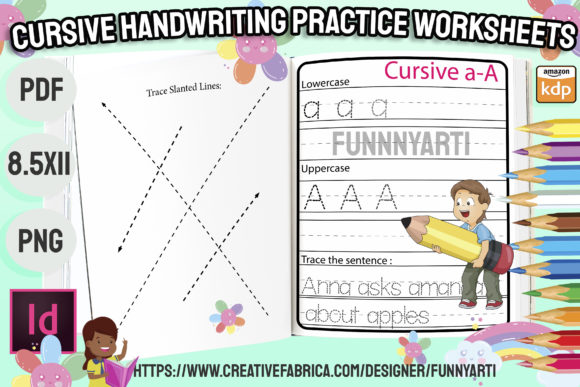
Moreover, the inclusion of tracing lines and curves in the Cursive Handwriting Practice Worksheets helps children refine their motor control. This is especially important for young learners who are developing the dexterity needed for writing. The worksheets’ design encourages repetition and gradual progression, allowing children to build confidence as they improve.
Strategic Use of Cursive Handwriting Practice Worksheets
When considering the use of Cursive Handwriting Practice Worksheets, it's important to align them with specific goals. Whether the objective is to improve handwriting, support early literacy, or foster creativity, the worksheets can be tailored to meet those needs. Here are some strategic approaches:
- Integration with Curriculum: Incorporate the worksheets into a structured literacy or handwriting curriculum. Use them as a daily warm-up activity or as a supplement to reading and writing lessons.
- Customization for Individual Needs: Adapt the worksheets to suit the developmental stage and learning pace of each child. For example, younger learners may benefit from simpler shapes and larger fonts, while older children can tackle more complex cursive forms.
- Combining with Other Activities: Pair the worksheets with coloring, storytelling, or interactive games to make learning more engaging. The use of color markers or pencils, as suggested in the Cursive Handwriting Practice Worksheets, adds a creative dimension that keeps children motivated.
By using these worksheets strategically, educators and parents can ensure that they are not just filling time but actively contributing to a child’s growth. The key is to approach them with intention and purpose, rather than as a passive activity.
Planning and Implementation Tips
To maximize the effectiveness of Cursive Handwriting Practice Worksheets, careful planning is essential. Start by identifying the specific skills you want to develop. Are you focusing on letter formation, spacing, or overall fluency? Once the goal is clear, select worksheets that align with that objective.
Another important consideration is the frequency of use. Consistency is key when building any new skill. Encourage regular practice, but avoid overwhelming the child with too much at once. Short, focused sessions are often more effective than long, infrequent ones.
Additionally, consider the tools and materials that will be used. The Cursive Handwriting Practice Worksheets include high-quality PDFs and PNG files, making them easy to print and reuse. Using erasable pencils or plastic sleeves allows for repeated practice, which is ideal for reinforcing learning without waste.
Long-Term Value and Outcomes
The long-term benefits of Cursive Handwriting Practice Worksheets extend beyond basic writing skills. As children become more proficient in cursive, they often develop greater confidence in their ability to express themselves through writing. This can lead to improved academic performance, stronger communication skills, and increased creativity.
From a strategic perspective, these worksheets also support broader educational goals. They can be used as part of a homeschooling program, a tutoring session, or a classroom activity. Their versatility makes them a valuable asset for anyone involved in teaching or learning.
Furthermore, the worksheets contribute to a child’s overall development. The process of tracing, coloring, and repeating letters engages multiple areas of the brain, promoting cognitive growth and problem-solving abilities. This holistic approach ensures that the benefits of cursive practice go far beyond the page.
Risks of Unintentional Use
While Cursive Handwriting Practice Worksheets are beneficial, they can also be counterproductive if used without clear intent. Random or excessive practice without a structured plan may lead to frustration, disinterest, or even resistance to learning. It’s important to recognize that not all activities are equally effective, and some may not align with a child’s developmental stage or learning style.
Another risk is over-reliance on worksheets without incorporating other forms of learning. Writing is a complex skill that requires more than just repetition. It should be complemented with reading, speaking, and thinking activities to ensure well-rounded development.
To avoid these pitfalls, it’s crucial to approach the use of Cursive Handwriting Practice Worksheets with a clear plan. Set realistic expectations, monitor progress, and adjust strategies as needed. This ensures that the worksheets remain a valuable tool rather than a source of stress or confusion.
Conclusion: Intentional Use for Better Results
Cursive Handwriting Practice Worksheets are more than just a fun activity—they are a strategic resource that can support a wide range of learning goals. When used with intention and care, they help children build essential skills, boost confidence, and develop a love for learning.
Whether you’re a parent, educator, or creative professional, the key to success lies in understanding how to use these worksheets effectively. By aligning them with specific objectives, planning their implementation, and avoiding common mistakes, you can unlock their full potential and create meaningful learning experiences for children.